Little Ones
Outdoor Play Ideas for Ages 1–5
October 5, 2026 · 4 min read · Kids & Family
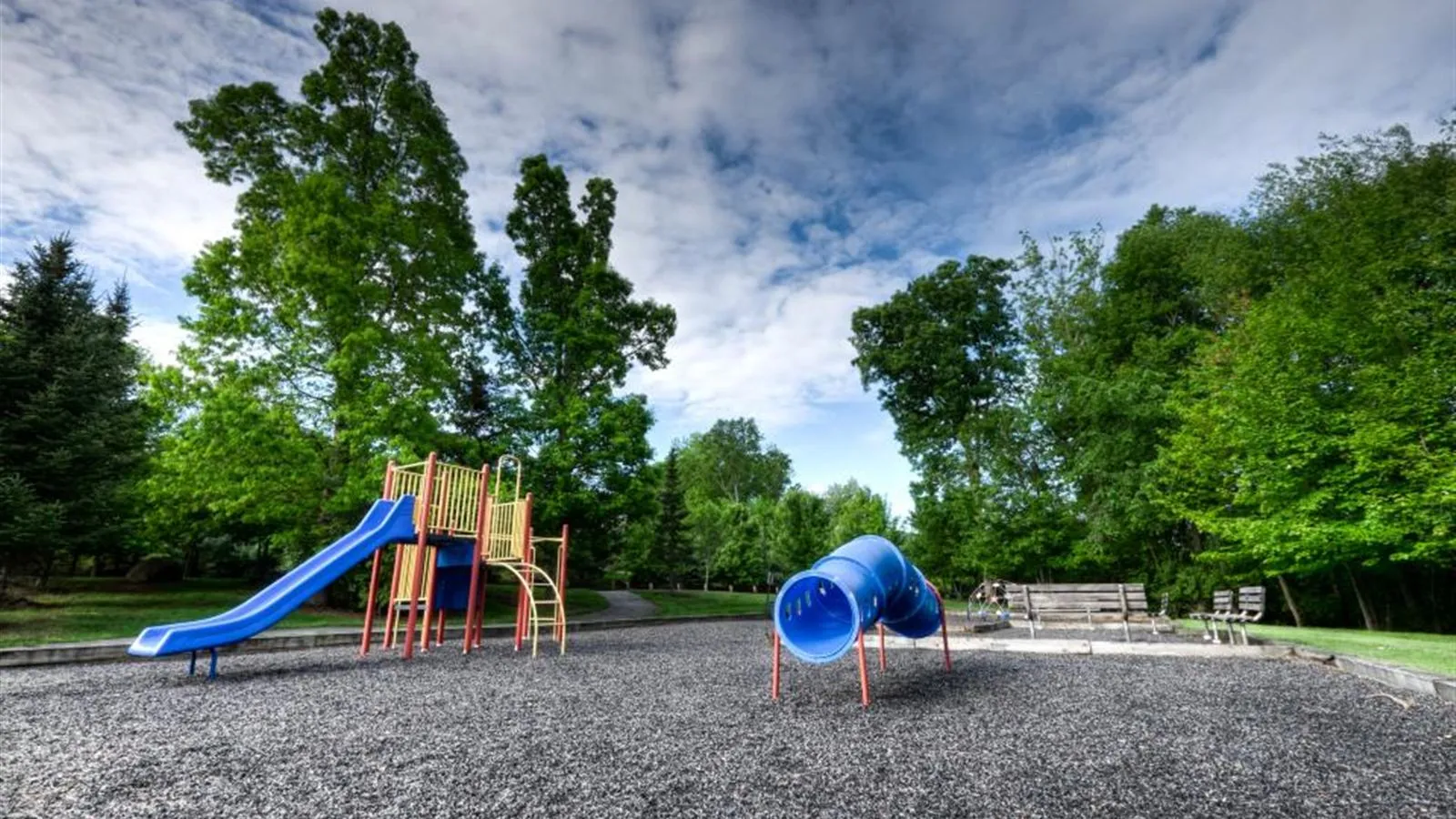
Outdoor play gives little ones space to run, climb and explore in ways that are hard to match indoors. It’s also when children tend to be most active. Here’s how to make the most of it, whatever outdoor space you have.
Why outdoor play matters
A systematic review of physical activity in children aged 0–4 found it was associated with better motor development, fitness, bone health and cardiometabolic health (Carson et al., 2017). The early-years guidelines recommend at least three hours of activity a day, including an hour of energetic play for 3–4-year-olds (Tremblay et al., 2017) — and time outdoors makes that much easier.
Ideas by place
At the park or playground
| Activity | Builds | Age |
|---|---|---|
| Climbing low frames and ladders | Strength, coordination, confidence | 1–5 |
| Running races to the tree and back | Speed, fitness | 2–5 |
| Swings (pumping legs from about 3–4) | Balance, rhythm | 1–5 |
| Rolling down a grassy slope | Body awareness | 2–5 |
| Kicking a big ball | Coordination, balance | 2–5 |
In the garden or a small yard
- Water play: a washing-up bowl, cups and sponges.
- Bug hunt: turn over logs and stones (gently put them back).
- Planting and digging: small trowels and a patch of soil.
- Chalk games: hopscotch, chalk paths to follow, targets to jump on.
On the pavement
- Walk the line: balance along a painted line or kerb (with a hand to hold).
- Puddle jumping in wellies.
- Spot and run: “Run to the next red door!”
- Balance bikes and scooters with a helmet.
At the beach or in nature
- Sand digging and castle building
- Collecting sticks, leaves and shells
- Wave chasing — always within arm’s reach of an adult
- Nature walks with a simple “find 5 things” list
A weekly outdoor plan
| Day | Idea |
|---|---|
| Mon | 30 min at the playground after nursery |
| Tue | Walk to the shops instead of driving; puddle hunting |
| Wed | Garden water play or chalk hopscotch |
| Thu | Balance bike to the park |
| Fri | Ball games with friends |
| Sat | Longer family outing: woods, beach or nature trail |
| Sun | Bug hunt or planting |
Safety
- Supervise closely, especially near water — young children can drown in a few centimetres of water.
- Check equipment is suitable for their age and in good repair.
- Helmets for bikes and scooters.
- Sun protection in summer: shade, hats and sunscreen as your doctor advises for their age.
- Dress for the weather — waterproofs and wellies make most days possible.
Let them take small risks
Climbing a little higher, jumping off a step, balancing on a log — small, supervised challenges help children build confidence and learn their limits. Stay close, but try not to say “be careful” every few seconds. Instead, try “feel how strong your hands are” or “look where you’ll put your foot”.
Seasonal ideas
| Season | Try |
|---|---|
| Spring | Planting seeds, puddle jumping, spotting buds and birds |
| Summer | Water play, picnic games, beach digging, chalk art |
| Autumn | Leaf piles, conker and acorn hunts (no eating!), muddy walks |
| Winter | Frost and ice spotting, building snow piles, brisk “warm-up” races |
Build skills outdoors
| Skill | Outdoor activity |
|---|---|
| Balance | Walking along logs or kerbs, balance bikes |
| Strength | Climbing frames, carrying a small watering can, digging |
| Coordination | Kicking a ball, throwing at a target |
| Confidence | Small supervised risks: a higher step, a bigger jump |
Physical activity in the early years is linked with better motor development and fitness (Carson et al., 2017), and outdoor spaces offer more room to practise all of these.
When there’s only 15 minutes
- A lap of the block, stopping to jump on every drain cover.
- “Run to the lamppost and back” races.
- Five minutes on the swings and five on the climbing frame.
Short trips still count towards the three hours a day recommended for toddlers and preschoolers (Tremblay et al., 2017).
Pack an outdoor play bag
Keep a bag by the door: a ball, chalk, bubbles, a small bucket, plasters, wipes, snacks and water. It makes heading out quick and easy.
FAQ
What if it’s cold or raining? With the right clothes, short outdoor sessions are fine on most days. Otherwise, try our indoor games.
We don’t have a garden. Parks, playgrounds, pavements and community spaces all work. Even a walk counts.
The bottom line
Get outside every day if you can. Parks, gardens and pavements all offer chances to run, climb, balance and explore — and outdoor time makes the three-hour activity target far easier.
Sources
- Carson V et al. (2017). Systematic review of the relationships between physical activity and health indicators in the early years (0–4 years). BMC Public Health. doi:10.1186/s12889-017-4860-0
- Tremblay MS et al. (2017). Canadian 24-Hour Movement Guidelines for the Early Years (0–4 years): an integration of physical activity, sedentary behaviour, and sleep. BMC Public Health. doi:10.1186/s12889-017-4859-6
This article is general education for healthy adults, not medical advice. Check with a qualified professional before starting a new exercise or nutrition plan, especially if you have a medical condition. Full disclaimer.
Keep reading
Why Family Meals Matter (Even 3 a Week)
A meta-analysis of 17 studies and more than 180,000 children linked three or more shared meals a week with healthier eating. How to make it happen.
15 Indoor Active Games for Rainy Days (Ages 1–5)
No garden, bad weather, small flat? These games get toddlers and preschoolers moving indoors with things you already own.
Picky Eaters: How to Help Young Children Like Vegetables
A randomised trial with 2–6-year-olds found that a tiny daily taste of a disliked vegetable worked. Here's the method, step by step.