After your postnatal check
New Mothers
Gentle, evidence-based ways to rebuild strength, energy and confidence once your doctor has cleared you to exercise.
After birth, your body needs time, patience and the right kind of movement. This section offers gentle, evidence-based guidance for returning to exercise once your doctor or midwife has cleared you at your postnatal check.
You will find walking plans, pelvic floor and core basics, eating and sleeping with a newborn, and honest information about mood — with clear signs for when to get professional help.
New here?
Start here

Exercise After Baby: When and How to Start
What the guidelines say about returning to exercise after birth, how to start gently once you're cleared, and the signs to stop and get checked.
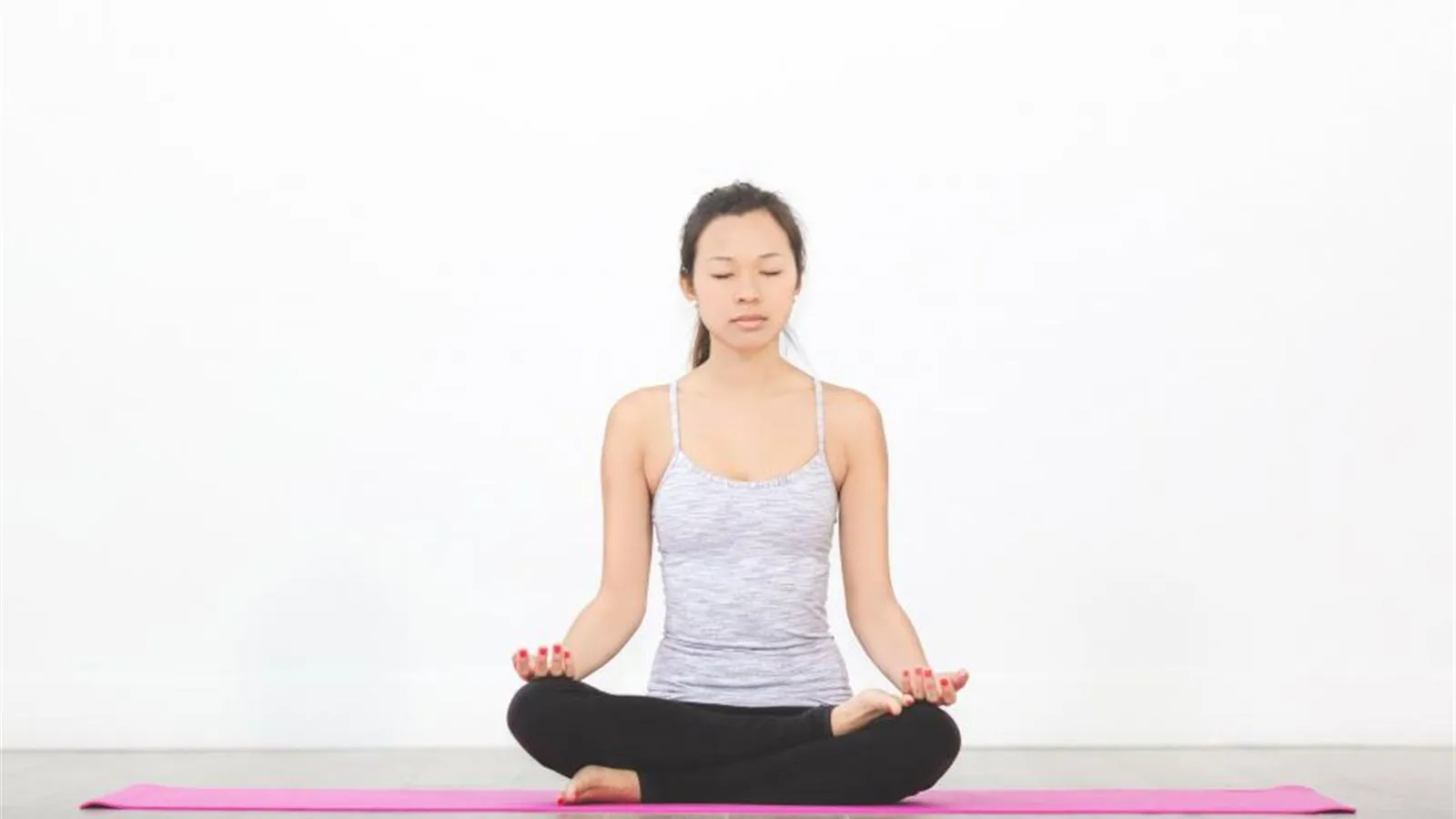
Pelvic Floor Basics After Birth: What Every Mother Should Know
What the pelvic floor does, what a major Cochrane review found about pelvic floor exercises, how to find the right muscles, and when to see a specialist.

A Postnatal Walking Plan: From 10 Minutes to 150 a Week
Walking is the easiest way back to fitness after birth. A gentle, week-by-week plan with the pram, plus how to know when to step it up.
Guides & programs
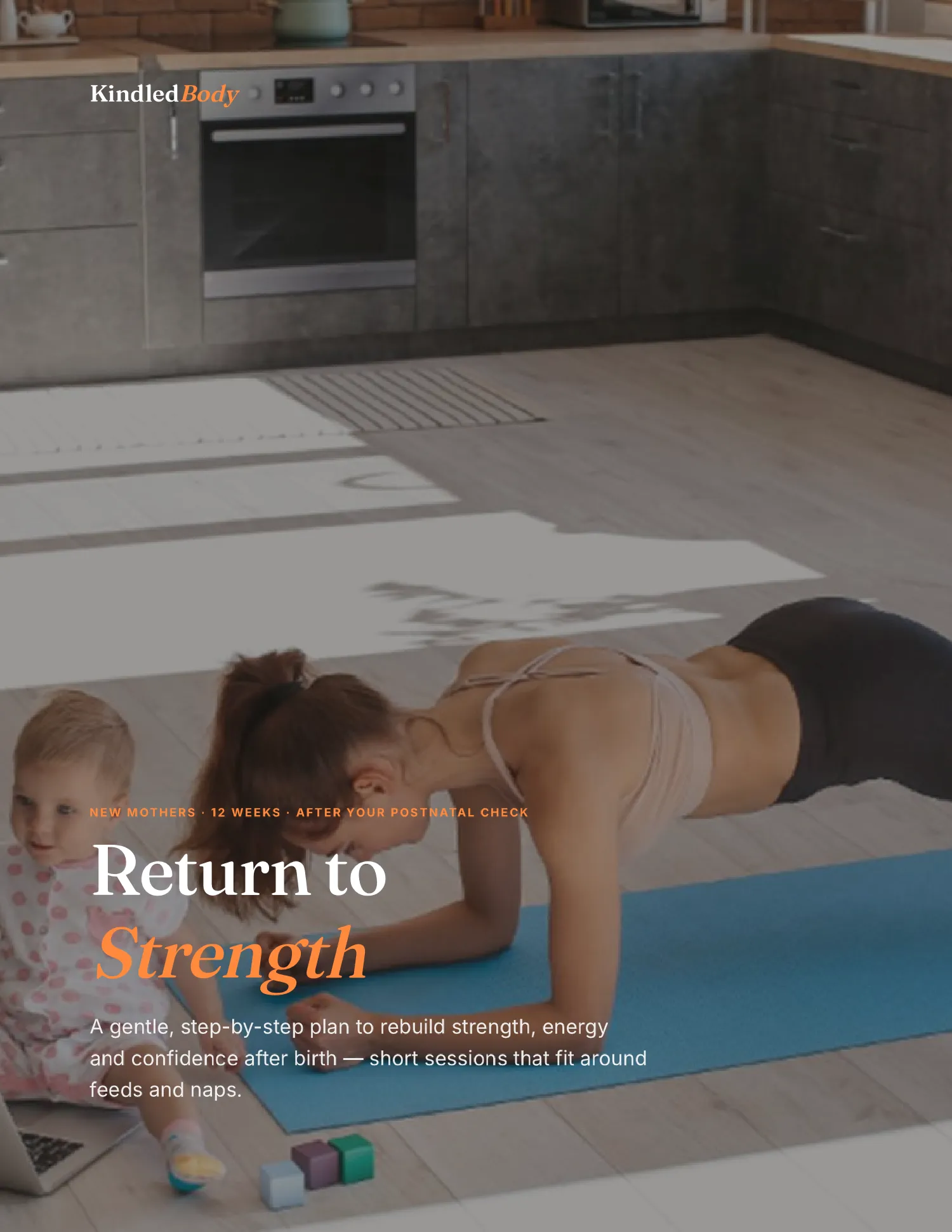
All New Mothers articles
Browse in the Journal →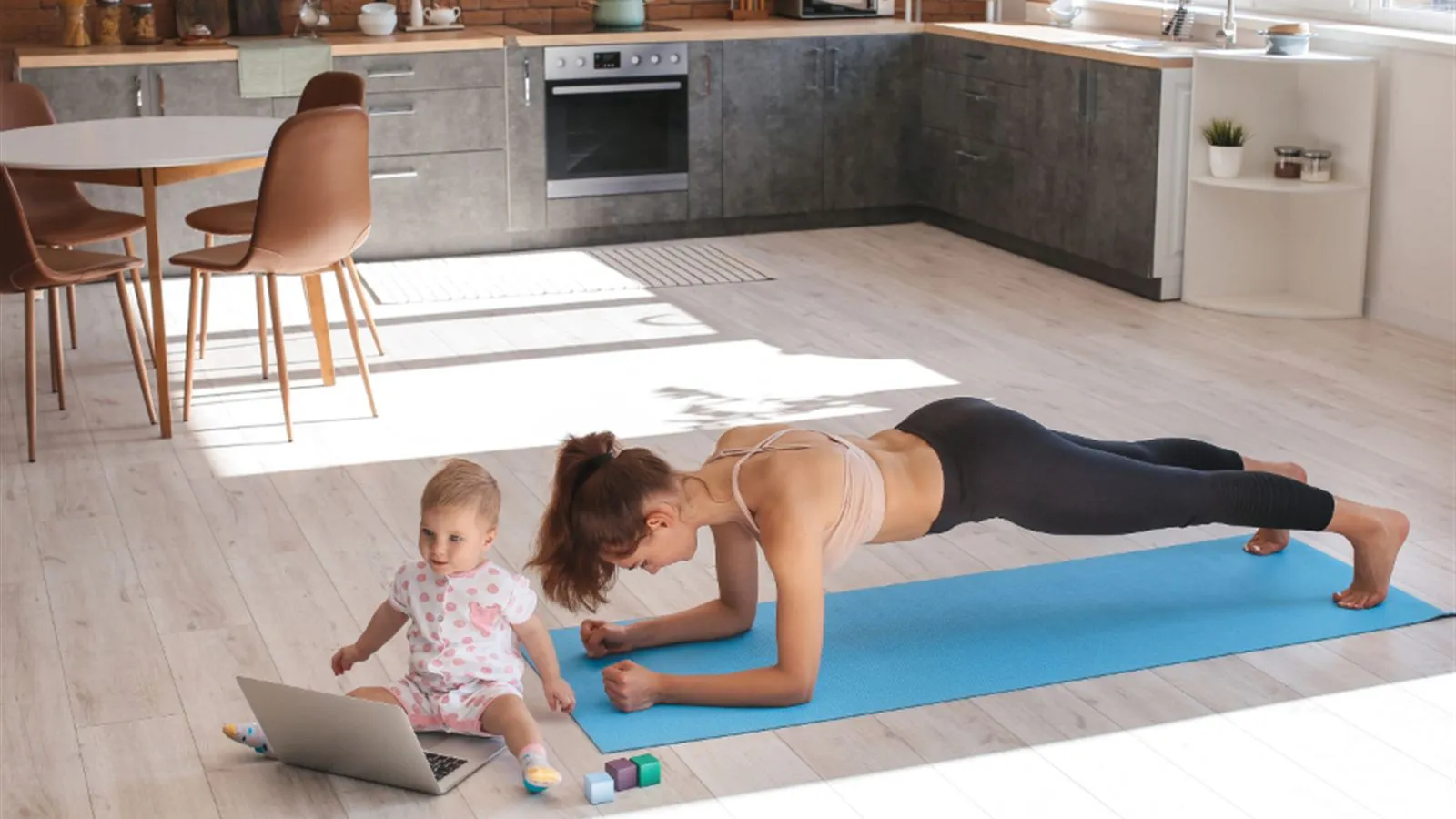
A 20-Minute Home Strength Workout (With Your Baby Nearby)
A gentle full-body routine for after your postnatal check, built around naps and floor time, with a 12-week progression.
A Postnatal Walking Plan: From 10 Minutes to 150 a Week
Walking is the easiest way back to fitness after birth. A gentle, week-by-week plan with the pram, plus how to know when to step it up.

Baby Blues or Postnatal Depression? How to Tell, and Where to Get Help
About 1 in 6 new mothers experience postnatal depression. The signs, how it differs from the baby blues, how movement can help, and when to reach out.
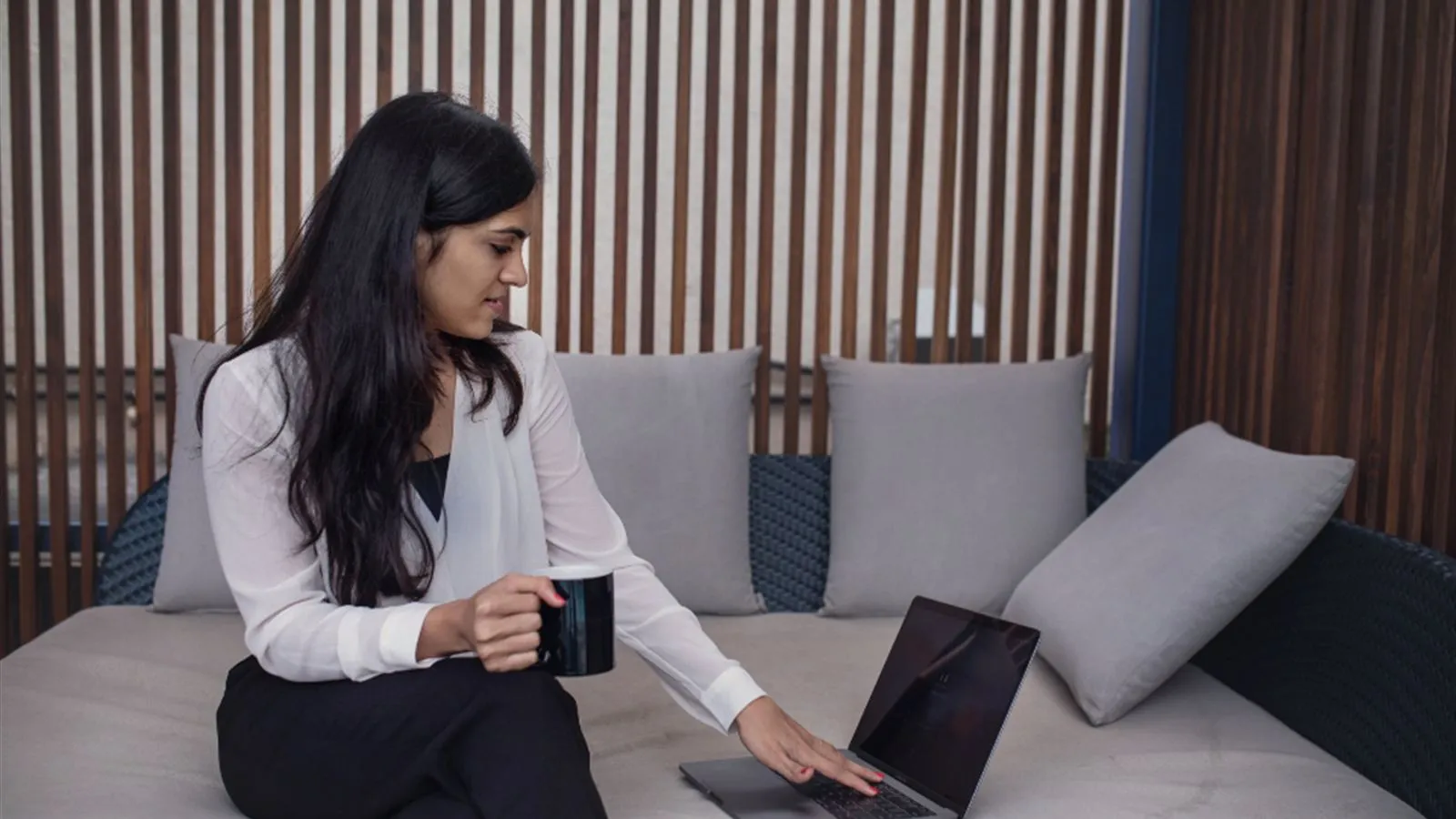
Back to Work After Maternity Leave: Keeping Movement in Your Week
Commutes, nursery runs and evening routines leave little time. Simple, habit-based ways to keep moving when you return to work.

Eating Well With a Newborn (When You Have No Time to Cook)
One-handed snacks, freezer meals and a simple daily template to keep your energy up in the first months — no complicated cooking required.
Exercise After Baby: When and How to Start
What the guidelines say about returning to exercise after birth, how to start gently once you're cleared, and the signs to stop and get checked.
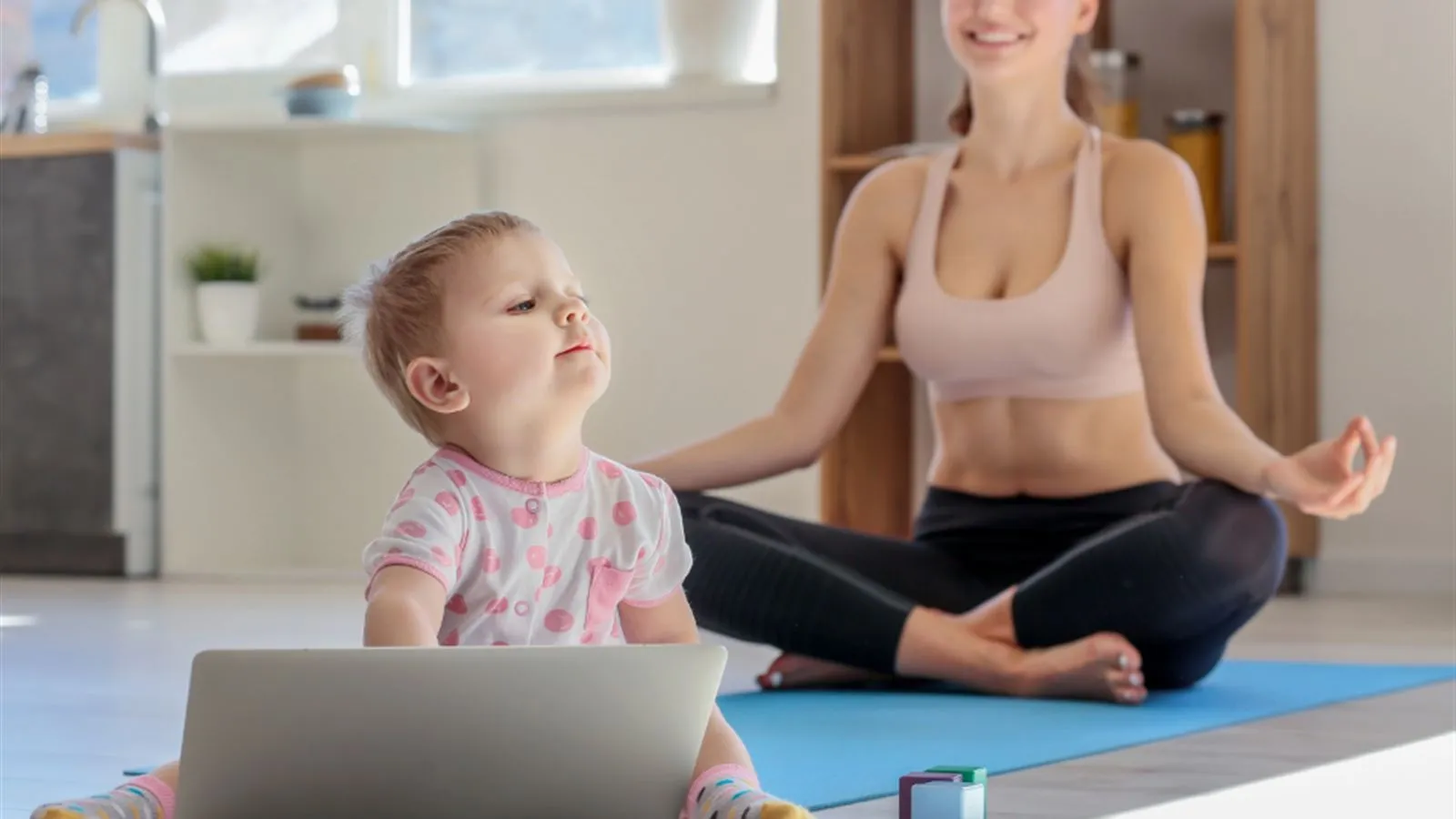
Exercise and Breastfeeding: What You Need to Know
Moderate exercise doesn't affect milk supply or your baby's growth. Practical tips for comfort, timing, hydration and support.
Pelvic Floor Basics After Birth: What Every Mother Should Know
What the pelvic floor does, what a major Cochrane review found about pelvic floor exercises, how to find the right muscles, and when to see a specialist.
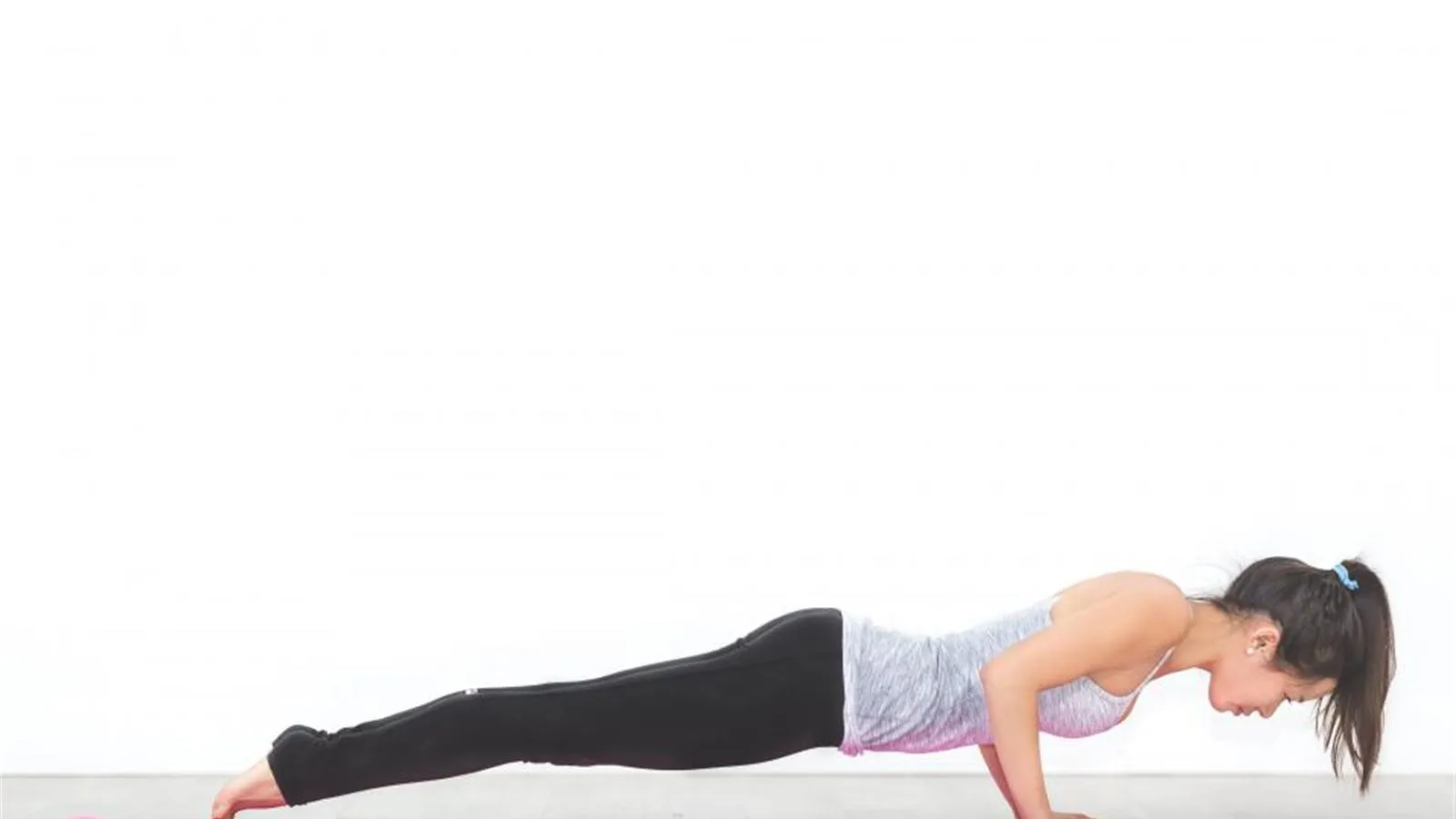
Rebuilding Your Core After Pregnancy, Gently
Why crunches aren't the place to start, a gentle core progression for after your postnatal check, and signs your tummy needs a specialist's eye.
Surviving Sleep Deprivation With a Newborn
You can't get 7 hours in a row right now — but you can protect more sleep than you think. Practical strategies for mothers and partners.
Common questions
When can I start exercising after giving birth?
It depends on your birth and recovery. Guidelines suggest resuming gradually once it is medically safe, which your doctor or midwife will confirm at your postnatal check. Gentle walking and pelvic floor exercises are often the first steps.
Will exercise affect my breast milk?
Moderate exercise does not affect milk supply or your baby's growth, according to obstetric guidelines. Feeding or expressing before a workout can make exercise more comfortable.
What symptoms mean I should stop and get checked?
Leaking, heaviness or a bulge in the vagina, pain, bleeding that increases or returns, or doming of the tummy that does not improve. A pelvic health physiotherapist can assess you and guide your return.
Not sure where to begin?
Answer a few quick questions and get a free personalised plan with calorie targets, a weekly training schedule and meal ideas.